
I came from the arcades, from the metallic sound of buttons, from screens glowing in half-dark rooms. I didn't experience the MSX as a toy. I experienced it as a crack in reality. I learned BASIC without knowing that's what programming was called. I typed commands, changed numbers, broke things until something started moving in a way that wasn't planned. Already then there was that feeling that has never left me: being in a place where everything is malleable, where you just have to insist long enough for something to appear.
When the PC arrived, my adolescence became a happy software dump. Design, animation, 3D, video editing, programming, anything that fell into my hands ended up installed. I didn't distinguish between fields. It was all part of the same impulse. During that era I made my first animated shorts. They weren't good, but they were mine. I lost them decades later due to hardware problems and not having made backup copies. I remember perfectly the moment when I realized they were gone. There was no drama, but there was a kind of strange hole in my stomach. As if someone had erased a part of my external memory. It was a silent lesson about how fragile digital creation is when you don't take care of it.
Then came the demoscene, and there everything got a bit more organized.
Fast Tracker 2 became an extension of my head. I spent entire nights composing without any idea of formal harmony, but knowing very well when something sounded alive and when it didn't. Elwood was a god to me. 2Advanced blew my mind during my multimedia designer era. There was a mix of technique, aesthetics, and ambition that marked me more than any manual.
I participated in competitions, at the Euskal Parties, and tracks like News-o-tronik started circulating more than I expected. I didn't have a heroic narrative about it. I just thought: okay, it seems what I do matters to someone other than me. That feeling has never gone away.
I never wanted to stay in just one discipline. Music led me to design. Design led me to multimedia. Multimedia led me to interfaces, to web, to animation, to interactive projects. I never did a formal design degree. I learned the way you learn when there's no safety net: breaking software, copying, making mistakes, starting over. For many years that made me feel a bit like a professional intruder. I'd go into meetings with people with degrees, with academic jargon, and I came from having made myself in poorly lit rooms.
The funny thing is that, while I doubted, the clients grew. The projects grew. The responsibility grew. And I kept not quite believing I had the right to be there.
In 2005 I started a video game company: Lemonquest. It was the moment when everything I'd been doing on my own for years suddenly got serious. We had capital from an investment company, a team that grew to thirty people under my direction, and we even bought a studio in China with fifty workers. For the first time I felt I was exactly where I needed to be. Leading teams, making creative decisions, seeing how an idea went through twenty hands and came back as something better. I was in my element.
And then 2008 came.
And then 2009.
The crisis wasn't an abstract concept for me. It was closing Lemonquest. It was dismantling something that had taken years to build. It was accepting that enthusiasm and talent don't shield you from the economy. Shortly after, my mother died. I don't need to go into details. I say it like that because that's how it happened in my life: one thing on top of another, without cinematic drama, just a kind of strange silence that settles inside you.
For a while I stopped creating like before. Not because I didn't know how, but because I couldn't see what for. When an entire life structure breaks, there are no epiphanies that put you back together. There's a slow, clumsy return to something you know how to do because it's the only thing that keeps you recognizable to yourself.
Over the years I founded Awezoom Studios. Not as a "successful" company. As my own territory. A place where music, design, narrative, technology, and that old impulse to mix everything without asking permission could coexist. I kept feeling a bit out of place. I still didn't have a paper that said I was officially something. And I was starting not to care.
I've always wanted to tell stories, although for a long time I didn't know in what format.
Video games have always been my natural medium. Not as a product, but as a language. Papers, Please marked me deeply. Not for the mechanics, but for the moral dignity of that game, for the way Lucas Pope shows you can tell uncomfortable things without underlining them. Chuck Gamble and his short Shadow Puppets influenced me more than seems logical. European stop-motion animation from the nineties and two-thousands taught me you can be dark without being cynical. Jarre and Oldfield opened the door to emotional music without shame. McFarlane made me understand that aesthetics can also be aggressive. Steve Jobs' Stanford speech marked me not for the motivational part, but for the honesty with which he spoke about not understanding his own path until much later.
All of that was there, accumulating, without a clear form.
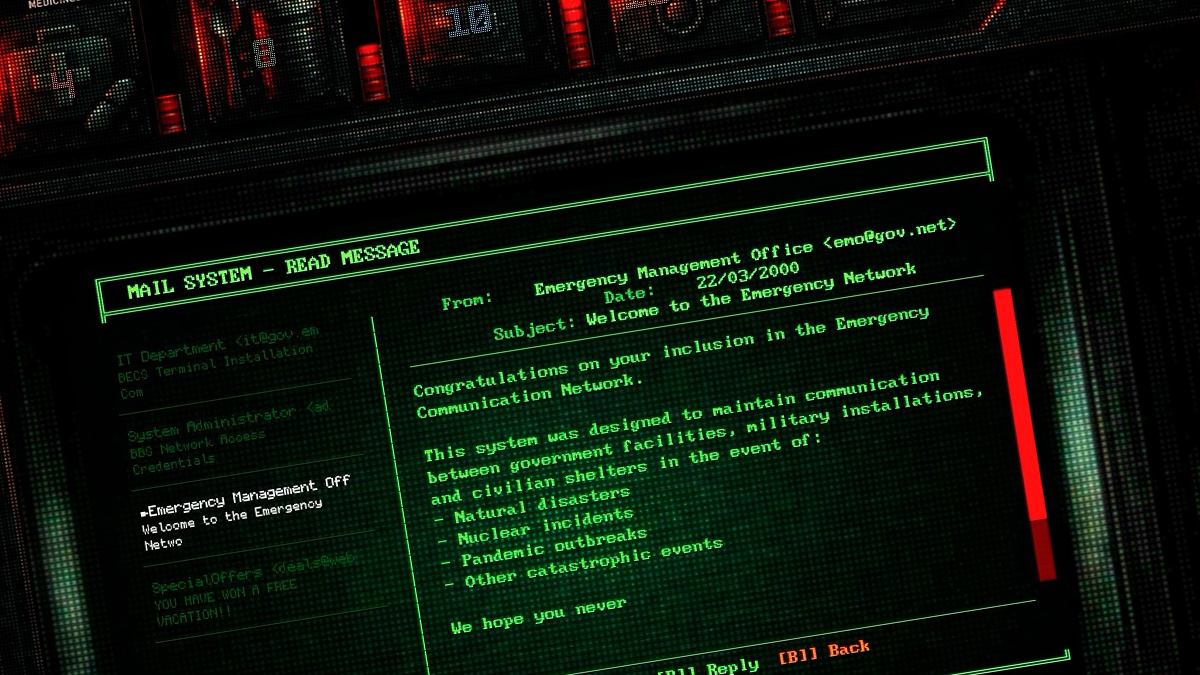
The Bunker is born from that sediment.
It started as something small. It won a narrative jam. And there I understood I wasn't making a cute experiment, but returning to a very old point of myself: the MSX kid, the tracker guy, the dude who made shorts that he later lost.
Now I'm working on turning it into a survival game with deep narrative. I'm interested in the player not just managing resources, but emotional states. I'm interested in the atmosphere having weight. In sound and silence mattering. In decisions not feeling like "design choices," but like uncomfortable consequences.
I use AI in my work, yes, but not as a magic button or as a creative oracle. I use it more or less like I would have used any new tool when I was twenty: to try things fast, to fail faster, to get sooner to a point where I have to decide myself. It helps me explore styles, prototype atmospheres, generate material that I then destroy, redo, and adjust until it fits with something I recognize as mine. It doesn't make important decisions. And when something works, it's almost always because it already had a vague shape in my head before touching anything.
At heart it's not that different from what I did with Fast Tracker 2 or those horrible animation programs from the nineties. The tool changes, the logic doesn't: try, fail, keep what vibrates and throw away the rest.
Sometimes I think everything I've done—the demoscene, design, Lemonquest, the closing, Awezoom, music, the stories I didn't know how to tell before—aren't different things, but the same obsession changing shape every few years.
I'm not very clear if this is a career, a vocation, or simply a fairly sophisticated inability to dedicate myself to something else.
I know I'm interested in building things that didn't exist before and seeing what they do to people inside. I'm interested in someone playing something I made and being left in a strange state afterward. I'm interested in an atmosphere, a scene, or an uncomfortable decision sticking with them longer than would be reasonable.
Now I'm deep into The Bunker.
Not because it's "my great life project."
Because it's what I have in my hands and because, for the first time in quite a while, I'm not getting bored of myself while doing it.
That's all.